
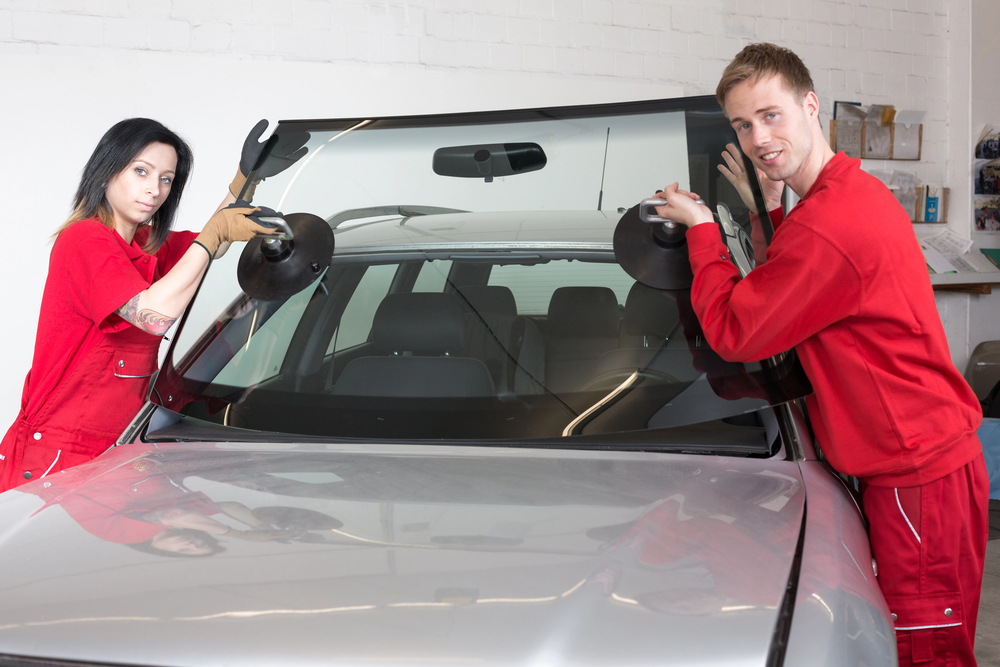
A new windshield is not always the end of the job. If your vehicle has driver-assistance features like lane departure warning, forward collision alert, or automatic emergency braking, windshield calibration after replacement may be necessary to get those systems working the way they should.
That matters more than most drivers realize. Many cameras and sensors are mounted near the windshield, often behind the rearview mirror. When the glass is replaced, even a small change in camera position or angle can affect how the system reads the road. You might not notice a problem right away, but your vehicle could be reacting late, giving false warnings, or missing lane markings altogether.
What windshield calibration after replacement actually means
Calibration is the process of resetting and verifying the camera or sensor system connected to your windshield. The goal is to make sure your vehicle's Advanced Driver Assistance Systems, usually called ADAS, are aligned with manufacturer standards after the old glass is removed and the new glass is installed.
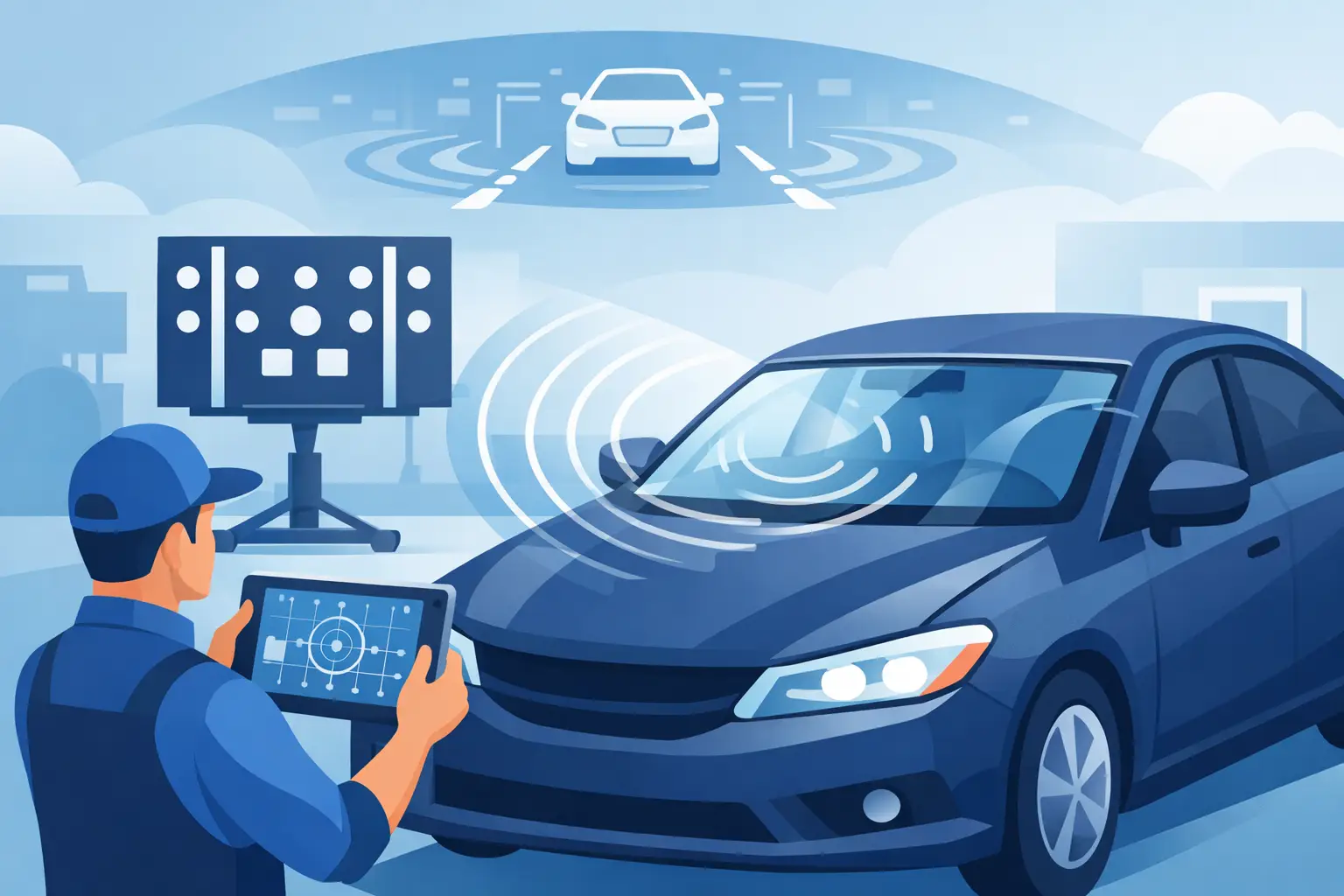
This is not just a software refresh. In many vehicles, calibration involves precise measurements, target boards, scan tools, and controlled conditions. On some models, the system needs a static calibration performed while the car is stationary. On others, a dynamic calibration is required, which means the vehicle must be driven at certain speeds on clearly marked roads so the camera can relearn its reference points. Some vehicles need both.
Because each make and model is different, there is no one-size-fits-all answer. A pickup, a rideshare sedan, and a late-model SUV may all need different procedures even if the windshield replacement itself looks similar.
Which vehicles usually need calibration
If your car has any ADAS features that rely on a forward-facing camera, calibration is likely part of the process after replacement. Common features include lane keep assist, traffic sign recognition, adaptive cruise control, collision warning, pedestrian detection, and automatic high beams.
A lot of drivers in Dallas, Irving, and Fort Worth are surprised to learn their vehicle even has these systems tied into the windshield area. If your camera sits behind the rearview mirror or near the top center of the glass, that is a strong sign calibration may be needed.
Older vehicles may not require it. Some newer vehicles absolutely do. The fastest way to know is to check the vehicle specifications by make, model, year, and trim.
Why calibration is not something to skip
Skipping calibration can create a safety issue, but it can also create a performance issue that is harder to spot. Your car may still start, drive, and appear normal. The problem is that safety systems depend on accurate input. If the camera is off by even a small margin, the system may interpret distance, lane position, or vehicle movement incorrectly.
That can show up in different ways. Maybe the lane departure warning starts chiming when you're centered in your lane. Maybe adaptive cruise control feels inconsistent in traffic. Maybe a forward collision warning does not come on when expected. These are not small details when you spend time on busy highways around the DFW area.
There is also the warranty and liability side. Some manufacturers require calibration as part of a proper replacement procedure. If the job is not completed to spec, that can create problems later if a system malfunction is traced back to the glass replacement.
How the calibration process works
The process starts with identifying what your vehicle requires. A technician checks the vehicle information and confirms whether calibration is needed, and if so, whether it calls for static, dynamic, or combined calibration.
Static calibration is usually done indoors or in a controlled space. The vehicle is positioned on level ground, and calibration targets are placed at exact distances and heights in front of the vehicle. Scan tools communicate with the car's system while measurements are checked carefully. This process is detail-heavy because a small setup error can affect the result.
Dynamic calibration happens on the road. After replacement, the technician or calibration specialist drives the vehicle under specific conditions so the camera can reestablish its view of lane markings, traffic flow, and reference points. This often requires good weather, visible striping, and enough road time to complete the procedure correctly.
Some drivers assume this takes only a few minutes. Sometimes it does. Sometimes it takes longer because the vehicle will not complete the calibration unless road conditions are right. That is one reason timing can vary from one job to another.
Can mobile windshield service still work if calibration is needed?
Often, yes, but it depends on the vehicle and the calibration type. Mobile windshield replacement is still a practical option for many drivers because it saves time and gets the damaged glass handled at home or work. If the vehicle only needs a replacement and no calibration, mobile service is straightforward.
If calibration is required, there are a few possible paths. Some vehicles can be replaced on-site and then calibrated through a follow-up process. Others may need access to calibration equipment or controlled conditions that are not realistic in a driveway or office parking lot. In those cases, the key is knowing that before the replacement starts so there are no surprises.
For busy commuters, parents, and rideshare drivers, that planning matters. A cracked windshield already disrupts your schedule. You do not want to find out after the glass is installed that another step is required before your safety systems are back online.
Signs your replacement may need follow-up attention
Even when the glass looks great, watch for signs that the ADAS system is not fully dialed in. Warning lights on the dash are the most obvious clue, but not the only one. Inconsistent alerts, disabled driver-assistance features, or sudden changes in how the vehicle responds can all point to a calibration issue.
It is also worth paying attention if your vehicle has recently had body work, suspension work, or a collision. Those factors can affect sensor alignment too. Windshield calibration after replacement is one part of a bigger picture, and sometimes other changes to the vehicle can influence the outcome.
If something feels off, do not guess. Ask for the calibration status and whether the procedure was completed according to manufacturer requirements.
What affects cost and timing
The biggest factors are the vehicle itself and the type of calibration required. A basic windshield replacement on a vehicle without ADAS is usually simpler and faster than one involving camera-based safety systems. Once calibration enters the picture, labor, equipment, and setup needs can change the price.
Availability also plays a role. Some windshields come with hardware that must match the original equipment setup. On certain models, recalibration can only be completed with specific tools or software. That does not mean the job becomes impossible. It just means the right process matters more than rushing through it.
For most drivers, the practical question is whether the extra step is worth it. If your vehicle depends on those safety features, the answer is yes. Calibration is not an add-on for appearances. It is part of restoring the vehicle to proper working condition.
Choosing a provider for windshield replacement and calibration
When you are comparing auto glass companies, ask direct questions. Does your vehicle require calibration? Is it included in the service plan or handled separately? Will the provider confirm whether the system has been reset and checked after installation?
A good provider should be able to explain the process in plain English. You should not need to decode technical jargon just to understand whether your lane assist or collision warning system will work after the replacement.
That is especially important when you need fast service. Same-day or mobile help is valuable, but speed should not come at the expense of doing the full job correctly. Mid Cities Auto Glass works with drivers who need convenience, but the real goal is getting the windshield replaced in a way that supports the vehicle's safety systems too.
The bottom line for DFW drivers
If your windshield is cracked and your vehicle has ADAS features, ask about calibration before the replacement appointment is booked. That one question can save time, prevent repeat visits, and help you avoid driving around with safety technology that is not reading the road correctly.
A windshield does more than block wind and debris now. In many vehicles, it is part of the safety system itself. When replacement is done right, the glass is secure, visibility is restored, and the technology behind it is set up to do its job. That is the kind of repair worth getting right the first time.