
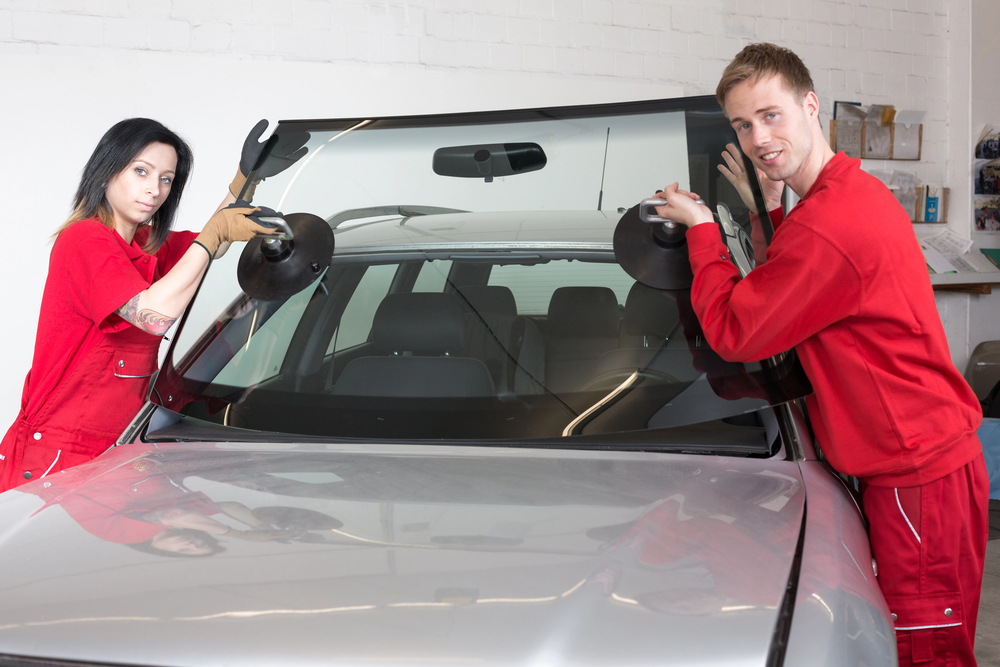
A rock chip can look minor when it first appears, especially if it is low on the windshield and outside your direct line of sight. But Texas roads, temperature swings, and daily driving can turn a small mark into a spreading crack quickly. If you are trying to decide whether to repair first or replace windshield glass, the right answer depends on the damage, its location, and the condition of the glass around it.
For most drivers, the goal is simple: restore clear, safe visibility without spending more time or money than necessary. A prompt inspection helps you avoid guessing and keeps a repairable chip from becoming a replacement job.
When Windshield Repair Is Usually the Better Choice
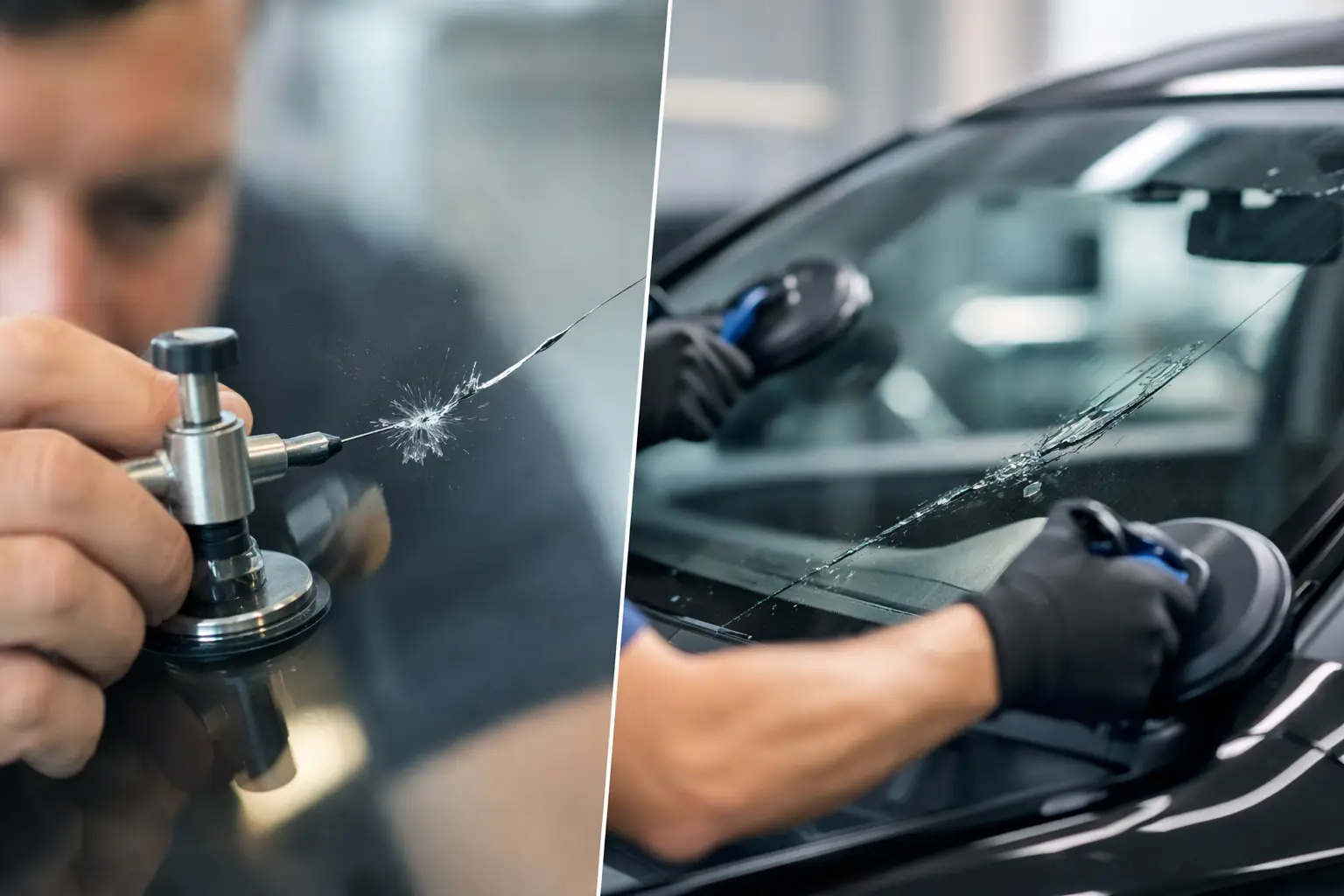
Windshield repair works by injecting a clear resin into damaged glass, then curing and polishing it. The process stabilizes the damaged area, helps prevent cracking, and can make the chip much less noticeable. It is often the faster and more affordable option when the damage is limited.
A repair is commonly possible when the chip is small, the crack is short, and the damage has not reached the edge of the windshield. The exact decision also depends on the type of break. A bullseye, star break, combination break, or small surface chip may all be repairable if treated early.
Location matters as much as size. Damage that sits outside the driver’s main viewing area is more likely to qualify for repair. Even when resin improves the look of a chip, it may leave a slight visual mark. A technician should not perform a repair that could distort the driver’s view or compromise safe visibility.
Repair is especially worth considering when the chip is recent and clean. Dirt, moisture, glass cleaner, and debris can work their way into the break over time, making a clean result harder to achieve. Covering a fresh chip with clear tape until it can be inspected can help keep contaminants out.
Signs You Should Replace the Windshield Instead
Replacement is the safer call when damage affects the windshield’s structural strength, visibility, or ability to support vehicle safety systems. Windshields do more than block wind and rain. They help support the roof during a rollover and provide a stable surface for passenger-side airbag deployment in many vehicles.
You will likely need replacement if a crack reaches the windshield edge. The edge is where the glass is more vulnerable to stress, so cracks there can spread rapidly. Long cracks, multiple chips, damage that has gone through both layers of glass, and breaks directly in the driver’s line of sight are also common reasons to replace rather than repair.
Modern vehicle technology adds another consideration. Many newer cars, trucks, and SUVs have cameras or sensors mounted near the windshield for advanced driver-assistance features. Lane departure alerts, forward collision warnings, automatic emergency braking, and adaptive cruise control may rely on a properly positioned camera. When windshield replacement is needed, the vehicle may also require camera calibration so those features function correctly.
Do not assume a crack is harmless because it has stopped spreading for the moment. Heat can expand the glass during a Dallas summer afternoon, while air conditioning cools the inside surface. That pressure difference can cause an existing crack to grow without warning. Potholes, rough pavement, and even closing a car door forcefully can have the same effect.
Repair First or Replace Windshield Glass: A Practical Test
The fastest way to make the decision is to look at five practical factors: size, location, depth, age, and spread.
A small, recent chip away from the edge and outside your direct viewing area often has a good chance of being repaired. A long crack, a break at the edge, or damage that affects your sight line usually points toward replacement. If the glass is badly pitted or has several separate areas of damage, replacement can be the better value even if each mark seems small on its own.
Depth is not always easy to judge from the outside. Windshields are made from two layers of glass bonded around a plastic inner layer. If the inner layer is damaged, or if the break has penetrated deeply, a resin repair may not restore the needed strength. That is why a professional inspection is more useful than judging the damage by a quick photo alone.
It also depends on your vehicle and how you use it. A commuter who spends an hour on the highway every day may need a more conservative recommendation than someone who drives occasionally around town. Rideshare drivers should take visibility and passenger safety seriously, while families may want replacement sooner if a crack is spreading near the passenger side.
Why Waiting Usually Costs More
Many windshield replacements start as a repairable chip that was left alone for too long. The original impact weakens the glass. Then vibration, weather, and normal driving continue to push against that weak point until the crack expands.
Waiting can also create a safety issue. A crack can catch sunlight and headlights, creating glare that makes it harder to see traffic, pedestrians, or road hazards. If the damage crosses your viewing area, clear visibility should take priority over saving the cost of replacement.
There is also a practical timing issue. A small repair can often be completed quickly. Replacement may require ordering the correct windshield, scheduling installation, and allowing proper curing time for the adhesive before the vehicle is driven. Acting while damage is small gives you more options and less disruption.
What to Do Before Your Appointment
Until the glass can be evaluated, avoid pressing on the damaged area or slamming doors. Do not wash the windshield with high-pressure water, and avoid parking in direct sun when possible. Sudden temperature changes can make a crack spread.
If you have a chip, place a small piece of clear tape over it to keep out moisture and debris. Do not use household glue, nail polish, or a do-it-yourself kit if you are unsure whether the damage is repairable. Those products can contaminate the break and make a professional repair more difficult.
Take note of where the damage is located and whether it has changed. If a crack grows, moves toward the edge, or begins to affect your view, arrange service as soon as possible. For busy drivers in Dallas, Addison, Richardson, Fort Worth, or Irving, mobile service can eliminate the need to sit at a shop while the issue gets handled.
Choosing Service You Can Trust
A good auto glass provider should explain why repair or replacement is recommended instead of pushing the more expensive option by default. Ask whether the damage affects the driver’s viewing area, whether the crack has reached the edge, and whether your vehicle needs calibration after a replacement.
For replacement, quality installation matters as much as the new glass itself. The technician should use proper materials and procedures, ensure the windshield is seated correctly, and explain any safe-drive-away instructions. If your vehicle has driver-assistance cameras, confirm that calibration is addressed before relying on those features.
Mid Cities Auto Glass provides mobile windshield repair and replacement for drivers who need clear answers and service that fits around work, school, and daily commitments. Whether the damage is a fresh rock chip or a growing crack, getting it checked early is the simplest way to protect your visibility and avoid a bigger interruption later.
A windshield does not have to look shattered to deserve attention. If you are unsure what the damage requires, treat a prompt inspection as the next practical step - it can preserve a repairable windshield or help you replace unsafe glass before the road makes the decision for you.