
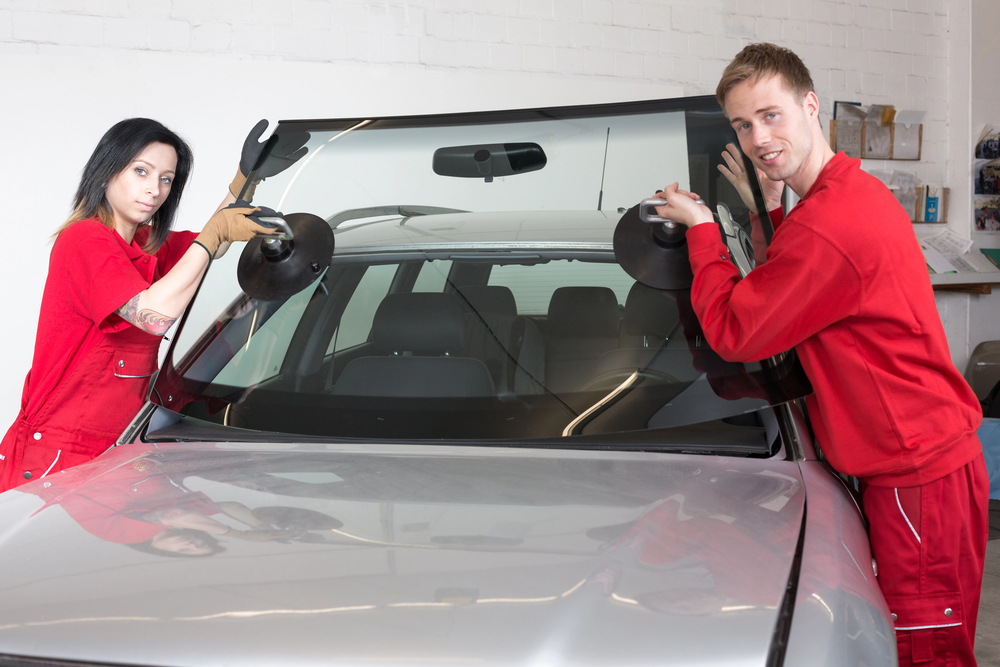
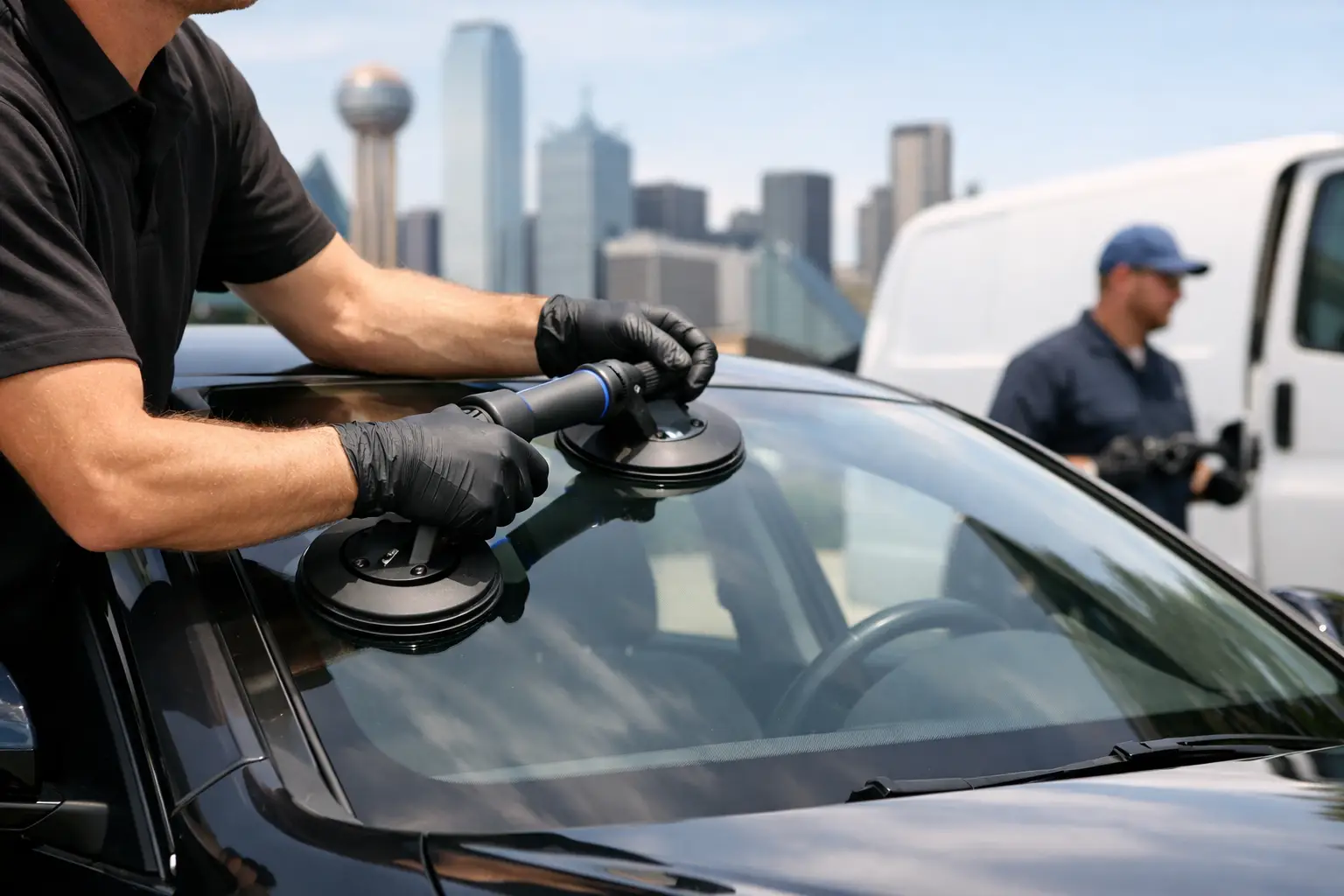
A windshield crack can turn a normal commute into a safety concern fast. If you are asking, is mobile auto glass safe, the short answer is yes - when the work is performed by a qualified technician using the right glass, adhesives, and installation procedures. Mobile service is not a shortcut. It is a professional auto glass repair or replacement performed where your vehicle is parked.
For busy drivers, having a technician come to a home, office, or other safe location can prevent unnecessary driving with damaged glass. Still, the quality of the work matters far more than whether it happens in a shop bay or a driveway.
Is Mobile Auto Glass Safe for Windshield Replacement?
A properly completed mobile windshield replacement can be just as safe as a shop replacement. The technician follows the same basic process: inspect the damage, remove the old windshield, prepare the frame, install the correct replacement glass, apply approved urethane adhesive, and allow the adhesive to cure before the vehicle is driven.
Your windshield does more than block wind and rain. In many vehicles, it supports the roof during a rollover and helps the passenger-side airbag deploy in the intended direction. That is why windshield installation is safety work, not simply a glass swap.
The deciding factors are the technician's training, the materials used, and whether conditions allow for a proper installation. A careful mobile technician will not rush an unsafe job just to keep an appointment. If heavy rain, extreme contamination around the work area, or another issue could affect the seal, rescheduling or moving the vehicle to a better location may be the right call.
What Makes a Mobile Glass Job Safe?
Convenience is valuable, but it should never replace correct installation practices. A safe mobile auto glass service starts before the technician removes any glass.
The right glass for the vehicle
Replacement glass must fit the vehicle correctly and meet applicable safety standards. Depending on your vehicle and insurance coverage, you may have options between original equipment glass and quality aftermarket glass. Either can be appropriate when it is made for your vehicle and installed correctly.
A reputable provider should confirm the year, make, model, and windshield features before arriving. Details such as rain sensors, acoustic glass, heads-up display areas, heating elements, and camera mounts affect which windshield is needed.
Proper adhesive and curing time
Modern windshield urethane is designed to create a strong bond between the glass and vehicle frame. But it needs time to cure. The safe drive-away time varies based on the adhesive, temperature, humidity, and vehicle conditions.
Do not assume you can drive immediately after a replacement. Your technician should clearly tell you when the vehicle can be safely driven and provide care instructions for the first day or two. Following that guidance is part of protecting the installation.
Clean preparation of the pinch weld
The pinch weld is the area of the vehicle frame where the windshield bonds. Old adhesive must be trimmed correctly, and the surface needs to be prepared according to the adhesive manufacturer's procedures. Rust, body damage, or contamination in this area can affect the bond.
This is one reason a trustworthy technician takes time to inspect the frame after the old windshield comes out. If corrosion or collision damage is found, the customer should be told what it means before the new glass is installed.
Careful handling of cameras and sensors
Many newer vehicles have advanced driver-assistance systems, often called ADAS. A forward-facing camera near the rearview mirror may support features such as lane departure warnings, automatic emergency braking, lane keeping assistance, and adaptive cruise control.
When a windshield with an ADAS camera is replaced, the camera may need calibration. This is not optional just because the windshield was installed at a mobile location. Some vehicles can be calibrated on-site with the correct equipment and conditions. Others require a static calibration in a controlled setting or a road calibration after installation. Your provider should identify this need before scheduling the job and explain the plan.
Mobile Repair Is Often the Safer Choice for a Chip
For small rock chips and short cracks, mobile windshield repair can be especially practical. Driving across Dallas, Irving, or Fort Worth with a fresh chip can expose it to vibration, road impacts, temperature changes, and moisture. Any of those can cause the damage to spread.
A technician can often repair eligible damage where the car sits, which helps stop the crack from getting worse. Windshield repair uses a specialized resin to fill and stabilize damaged glass. It improves the appearance of many chips, but its main purpose is structural stabilization.
Not every chip can be repaired. Damage near the edge of the windshield, cracks that are too long, deep damage that reaches multiple layers, or chips directly in the driver's critical viewing area may require replacement instead. A professional inspection is the best way to avoid spending money on a repair that will not hold.
When a Shop Visit May Be Better
Mobile auto glass is safe in most routine situations, but there are times when a shop environment is the better choice. This is not a failure of mobile service. It is a practical decision based on the vehicle and conditions.
A shop may be recommended when the vehicle has extensive frame damage, significant rust around the windshield opening, a complicated calibration requirement, or a need for related body repairs. Severe weather can also make a controlled indoor setting the safer option, particularly for a full windshield replacement.
Parking location matters, too. A technician needs enough room to work safely around the vehicle, open doors, protect the interior, and handle glass without putting people or property at risk. A crowded street, active construction area, or poorly lit lot may not be suitable.
The best provider will tell you when mobile service is appropriate and when it is not. Be cautious with anyone who promises every job can be done anywhere under any conditions.
Questions to Ask Before Booking Mobile Auto Glass Service
You do not need to be an auto glass expert to make a smart decision. A few direct questions can help you understand whether the service is being handled responsibly.
Ask whether the company has verified the correct glass and whether your vehicle has cameras or sensors that require calibration. Ask what adhesive will be used, what the safe drive-away time will be, and whether the technician will inspect the windshield frame for rust or damage. If you are filing an insurance claim, ask how the provider will handle the paperwork and whether your deductible applies.
It is also reasonable to ask what happens if weather changes or the work area is not safe. A professional answer should focus on protecting the quality of the installation, not on forcing the appointment through.
What to Do After a Mobile Windshield Replacement
Once the replacement is complete, follow the technician's instructions closely. Avoid slamming doors during the initial curing period, because pressure changes inside the cabin can disturb a fresh seal. Leave any retention tape in place for as long as instructed, and do not take the vehicle through a car wash immediately unless the technician says it is safe.
Look for obvious concerns such as wind noise, water leaks, loose molding, warning lights, or driver-assistance features that do not operate normally. Contact the installer promptly if anything seems wrong. Addressing a concern early is much easier than waiting until moisture or vibration creates a larger problem.
For broken side windows or rear glass, clean-up matters as much as installation. Glass fragments can remain in door panels, seats, floor mats, and cargo areas. A thorough mobile service should remove visible debris and make sure the new glass operates correctly before the job is finished.
Convenience Should Not Mean Compromise
Mobile auto glass service is built for real life: a broken window at work, a chip found in the driveway, or a cracked windshield before a school pickup. When performed under suitable conditions by a qualified technician, it offers a safe way to get your vehicle repaired without losing a day at a shop.
If your windshield is cracked, your side window is broken, or a rock chip is starting to spread, choose a provider that explains the repair clearly, checks for vehicle-specific safety requirements, and gives you honest guidance about whether mobile service is right for your situation. That is the kind of convenience worth relying on.